Top 10 Benefits of Using Plain Steel Grating in Your Projects?

Plain Steel Grating is a versatile material widely used in various industrial applications. Its importance in construction and manufacturing cannot be overlooked. According to a report by the American Institute of Steel Construction, the market for steel grating is expected to grow significantly in the coming years, driven by increasing infrastructure projects.

The benefits of using Plain Steel Grating are numerous and can dramatically enhance project efficiency and safety. This material is known for its durability and strength, supporting heavy loads while allowing for excellent drainage. In fact, a study from the National Safety Council highlighted that proper use of grating can reduce slip and fall accidents by up to 40%.

However, it’s essential to consider that not all applications require the same type of grating. Selecting the right material can pose challenges, and improper usage may lead to performance issues. Acknowledging these factors is crucial for project success. Balancing quality and cost-effectiveness is key in making an informed choice. Therefore, understanding the advantages of Plain Steel Grating can empower decision-makers in their quest for reliable and efficient solutions.
Top 10 Benefits of Using Plain Steel Grating in Your Projects?

Benefits of Durability and Strength of Plain Steel Grating

Plain steel grating is known for its exceptional durability and strength. This material withstands heavy loads and harsh environments. According to industry reports, plain steel grating can bear up to 1,200 pounds per square foot, making it ideal for various applications. It provides long-lasting performance in industrial settings, often outlasting plastic and fiberglass alternatives.

The unique design of plain steel grating offers structural support while minimizing weight. This efficiency makes installation easier and reduces time on projects. Engineers often choose plain steel grating for its capability to resist wear. It holds up against corrosion, especially when properly coated. Research indicates that properly maintained plain steel grating has a lifespan exceeding 20 years.

Despite its many advantages, it's essential to consider its thermal properties. In extreme conditions, uncoated steel can corrode, leading to structural failures. Regular inspections and maintenance are necessary to assure longevity. Understanding these challenges is vital for project managers aiming for durability in their designs. Balancing the benefits with maintenance needs is crucial for successful project execution.

Cost-Effectiveness in Long-Term Projects with Plain Steel Grating

When considering long-term projects, plain steel grating emerges as a cost-effective solution. It provides excellent strength and durability at a lower price compared to other materials. This grating resists corrosion and wear, ensuring a prolonged lifespan. Eventually, this leads to reduced maintenance costs.

Choosing plain steel grating can drastically lower initial expenditures. Unlike other materials, it is easy to install. This simplicity can reduce labor costs significantly. Detailed planning can enhance efficiency. Evaluate your project needs carefully. Proper selection leads to substantial savings over time.

Remember, the specifics matter. Not all projects are the same, and conditions can differ widely. Pay attention to environmental factors. Seek expert advice when necessary. This can help avoid pitfalls. And don't underestimate the role of preventive maintenance. A small investment now can yield big benefits later.

Top 10 Benefits of Using Plain Steel Grating in Your Projects

Benefit Description Long-Term Cost Savings
Cost-Effectiveness Plain steel grating is generally less expensive than alternative materials, reducing initial project costs. Lower material costs lead to significant savings over multiple projects.
Durability Steel grating is strong and resistant to wear and tear, making it suitable for heavy loads. Long lifespan reduces the need for frequent replacements.
Low Maintenance Requires minimal maintenance compared to other flooring options. Fewer repairs lower overall maintenance costs.
Versatility Can be used in various applications, from flooring to drainage solutions. Flexibility reduces costs by minimizing the need for multiple material types.
Customizable Available in various sizes and styles to meet specific project needs. Customized solutions can prevent costly alterations during project implementation.
Safety Features Provides excellent slip resistance, enhancing workplace safety. Increased safety lowers the risk of accidents, potentially reducing insurance costs.
Environmental Resistance Can be treated to resist corrosion, extending its usable life in harsh environments. Long-lasting performance reduces the frequency and cost of replacements.
Aesthetic Appeal Modern designs can improve the visual value of a space. Attractive environments can lead to higher satisfaction and retention rates.
Ease of Installation Simple to install, saving labor costs and time on projects. Faster completion times translate to reduced project costs.
Weight Efficiency Lightweight compared to solid materials, making transportation and handling easier. Lower shipping costs add to overall savings for large-scale projects.

Versatility of Plain Steel Grating in Various Industrial Applications

Top 10 Benefits of Using Plain Steel Grating in Your Projects?

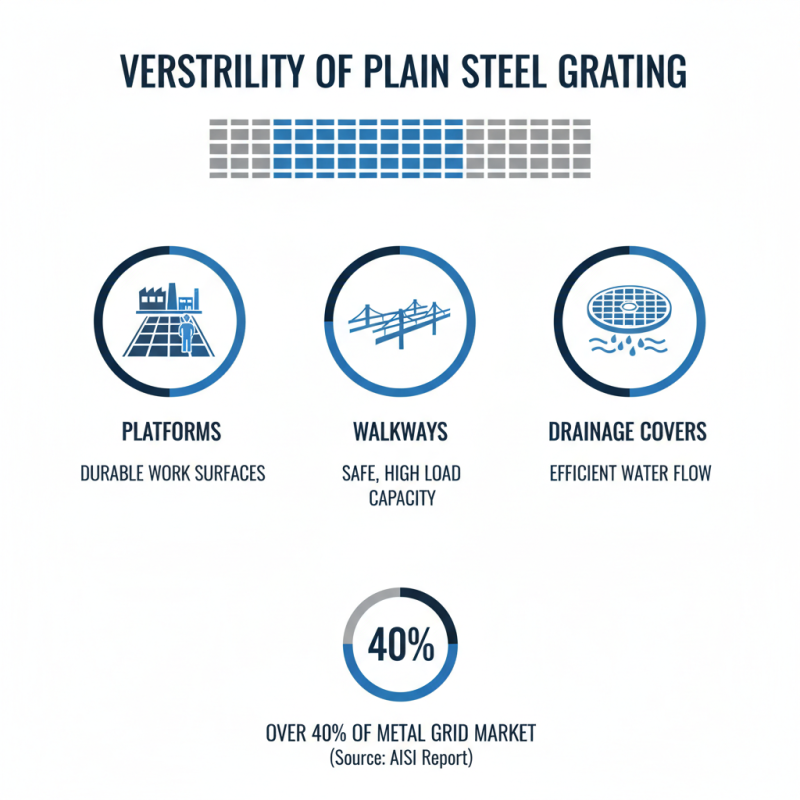
Plain steel grating has become a popular choice in various industrial applications. Its versatility makes it suitable for platforms, walkways, and drainage covers. According to a report by the American Iron and Steel Institute, steel grating accounts for over 40% of the metal grid market. This is because it offers durability and high load-bearing capacity.

In industries like construction and manufacturing, plain steel grating withstands heavy foot and vehicle traffic. Its open design promotes light and air circulation, reducing corrosion risks. National standards highlight that properly installed grating can significantly enhance safety in workplaces. Workers appreciate better traction, lowering the likelihood of slips and falls.

**Tip:** When choosing plain steel grating, consider the load requirements of your specific project. Ensure compliance with safety regulations to avoid costly accidents.

Despite its benefits, there are drawbacks. Plain steel can be susceptible to rust without adequate treatment. Regular inspections should focus on wear and corrosion. Using galvanized options can mitigate this risk, extending the lifespan of installations.

**Tip:** Use regular coating maintenance to preserve the integrity of grates in high-moisture areas. This simple step can lead to long-term savings.

Ease of Maintenance and Installation for Plain Steel Grating

Plain steel grating is highly regarded for its ease of maintenance and installation. Projects can significantly benefit from choosing this material. Installation is straightforward and quick, reducing downtime for construction teams. The lightweight nature of plain steel grating allows for easy handling. This means fewer workers are needed on-site. Less manpower leads to reduced labor costs.

Maintenance doesn't require specialized training or tools. Regular cleaning is often all that is needed to keep it in good condition. In many cases, a simple pressure wash can do the job. This aspect can often be overlooked, but it's crucial. Regular maintenance prevents buildup that could lead to safety hazards. When you choose plain steel grating, you can expect both durability and simplicity.

However, it's important to be aware of its limitations. Corrosion can be an issue if not treated properly. Regular inspections can help detect early signs of wear. Efforts to apply protective coatings or treatments can enhance longevity. While plain steel grating offers many benefits, ensuring proper upkeep is essential for maximizing its potential.

Enhancing Safety with Anti-Slip Features of Plain Steel Grating

Top 10 Benefits of Using Plain Steel Grating in Your Projects?

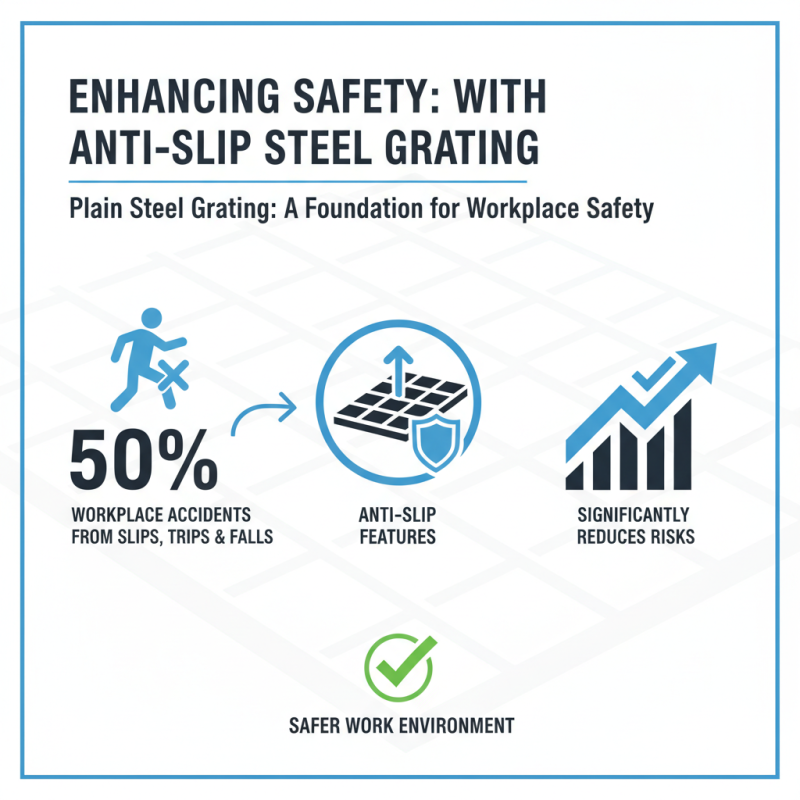
Plain steel grating is invaluable in various projects, especially regarding safety. One of its standout features is its anti-slip surface. According to industry reports, approximately 50% of workplace accidents result from slips, trips, and falls. Implementing anti-slip grating can significantly reduce these risks, creating a safer environment for workers.

Using high-quality plain steel grating minimizes slip hazards. Its surface imperfections aid in traction. This feature proves crucial in areas prone to wet or oily conditions. Studies suggest that workplaces using such materials have seen a 30% reduction in slip-related injuries. Hence, ensuring that your project incorporates this type of grating can fulfill safety standards and boost overall productivity.

When selecting steel grating, consider the spacing and thickness. Thinner bars may look appealing, but they can compromise strength. Choose options that meet load requirements without sacrificing anti-slip properties. Regular maintenance is essential. Inspecting the grating for wear can prolong its effectiveness. It's vital to balance aesthetics and functionality in design, as safety should always take precedence.

WhatsApp Online Chat !