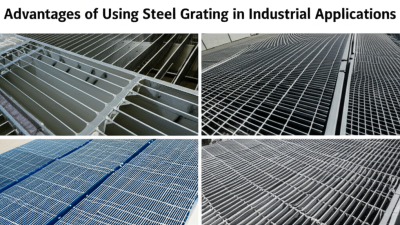
China Best Welded Steel Grating Options for Industrial Applications?
When considering industrial applications, choosing the right materials is essential. Welded Steel Grating is known for its durability and strength. Experts like Dr. James Lee, a leading authority in industrial materials, state, "Welded Steel Grating offers unmatched support in heavy-duty environments." His insights highlight the importance of selecting the appropriate grating for safety and efficiency.
In various sectors, including manufacturing and construction, Welded Steel Grating is a staple. It provides excellent load-bearing capacity and slip resistance. However, not all gratings are created equal. Factors such as the spacing of the bars and the material used can significantly affect performance. Users should reflect on their specific needs when choosing grating.
While Welded Steel Grating is highly recommended, there can be limitations. The weight and installation requirements may not suit every project. Therefore, it is essential for companies to evaluate their options thoroughly. Weighing pros and cons allows for an informed decision that ultimately enhances safety and functionality in industrial settings.
Overview of Welded Steel Grating in China
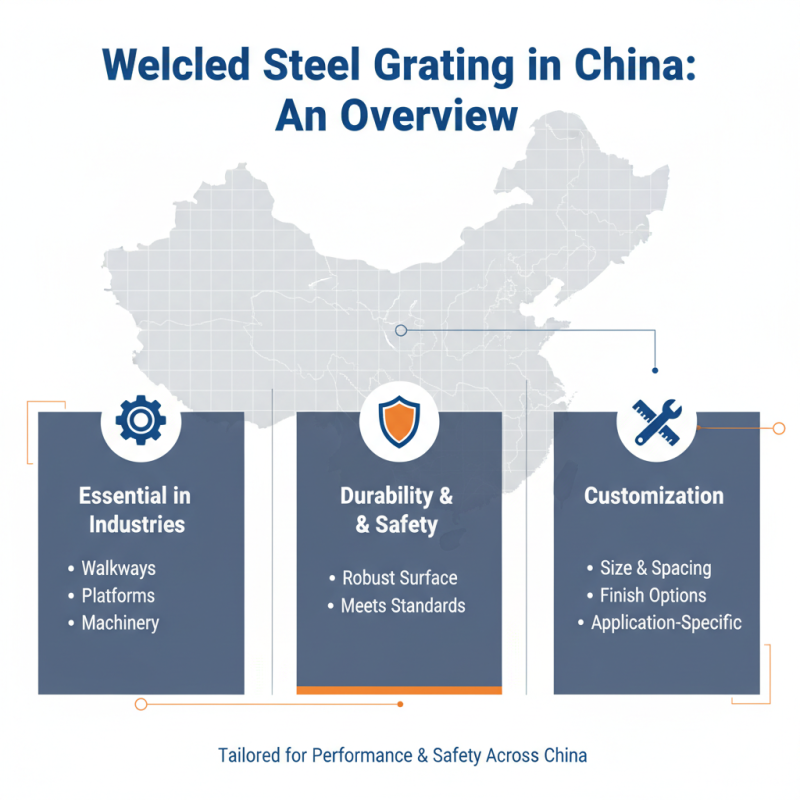
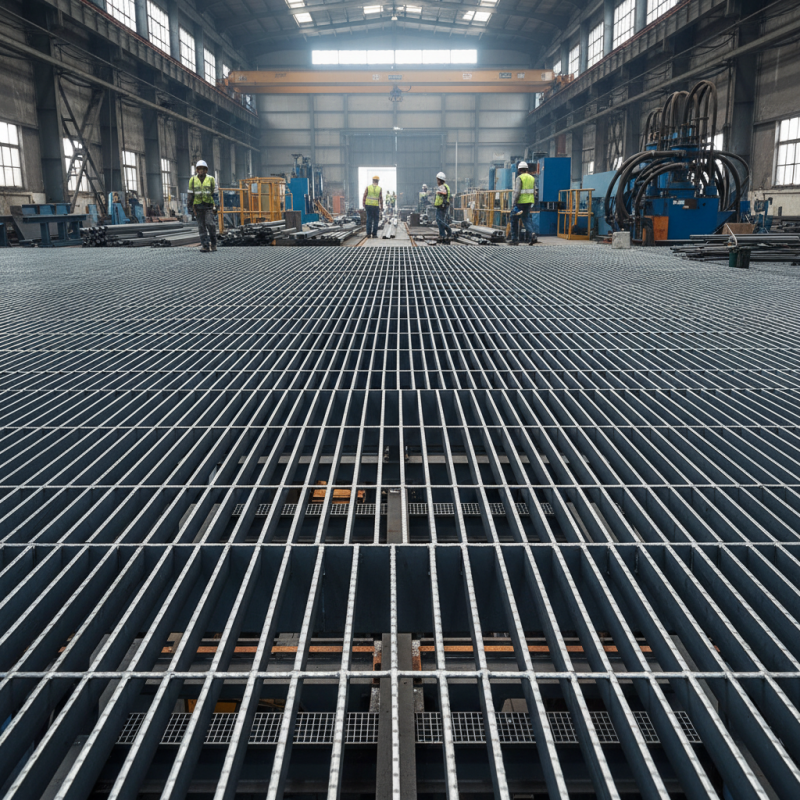
Welded steel grating is essential in many industries in China. It provides a durable and safe surface for walkways, platforms, and machinery. Depending on the application, these gratings can be tailored in size, spacing, and finish. This flexibility helps meet specific safety and performance standards.
The manufacturing process is critical in achieving high-quality welded steel grating. Skilled workers employ advanced techniques to ensure precision. Regular inspections are necessary to maintain quality. Even small errors can lead to safety hazards. Understanding the characteristics of the steel used is crucial for optimal performance. Certain grades are more resistant to corrosion, while others provide higher strength.
Despite these advantages, challenges still arise in the industry. Inconsistent quality control can affect reliability. Additionally, not all suppliers follow the same manufacturing standards. Companies must conduct thorough research when selecting a supplier. Evaluating past projects and seeking testimonials can provide insight. In an evolving market, staying updated on trends can help companies remain competitive.
Key Industrial Applications of Welded Steel Grating
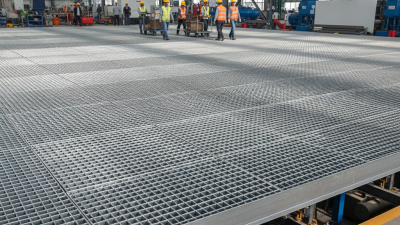
Welded steel grating plays a crucial role in various industrial applications. Its strength and durability make it ideal for flooring, walkways, and platform supports. Many industries benefit from its ability to withstand heavy loads. This feature is essential in environments such as manufacturing plants and warehouses.
In chemical processing facilities, welded steel grating offers excellent drainage. It provides workers with safe walking surfaces while allowing spills to drain away. The material’s corrosion resistance ensures longevity, reducing maintenance costs. Similarly, in power plants, the grating is used for access platforms. It allows easy inspection and maintenance of complex machinery.
Despite its advantages, welded steel grating is not a one-size-fits-all solution. Not all projects require the same specifications. Every application demands careful consideration of load requirements and environmental conditions. Understanding these nuances is vital for selecting the best option. This ensures safety and efficiency in the long run.
China Best Welded Steel Grating Options for Industrial Applications - Key Industrial Applications of Welded Steel Grating
| Application Area |
Load Capacity (kg) |
Standard Sizes (mm) |
Material Thickness (mm) |
Finish Options |
| Walkways |
300 |
1000 x 500 |
5 |
Hot-dip galvanized |
| Platform Floors |
500 |
1200 x 600 |
6 |
Electro-painted |
| Drainage Covers |
800 |
800 x 800 |
8 |
Painted |
| Industrial Ramps |
400 |
2000 x 1000 |
7 |
Stainless Steel |
| Safety Grating |
600 |
1000 x 1000 |
5 |
Anti-slip coated |
Types of Welded Steel Grating Available in China
Welded steel grating is essential for many industrial applications in China. Different types cater to varied needs. Common materials include plain steel, galvanized steel, and stainless steel. Each offers unique properties suited for specific environments.
Plain steel grating is cost-effective but lacks corrosion resistance. In comparison, galvanized steel provides a protective layer. This makes it ideal for outdoor use, where exposure to weather is a concern. Stainless steel grating gathers attention due to its durability and aesthetic appeal, especially in food processing facilities.
When choosing a type, consider the application environment. High-traffic areas may require stronger options. Each type has its pros and cons. Users often face challenges in selecting the right material. Understanding these can lead to better decision-making and improved safety in industrial settings.
Factors to Consider When Choosing Steel Grating for Industries
When selecting steel grating for industrial applications, durability is paramount. Grating must withstand heavy loads and harsh environments. Look for materials that resist corrosion and wear. Galvanized steel is commonly favored for its longevity. The decision should factor in the specific environment of use.
Another consideration is the spacing of the bars. Narrower spacing provides greater strength and safety, especially in high-traffic areas. Wider spacing may allow for better drainage but could pose a slip hazard. Understanding the balance between safety and function is crucial.
Load capacity is also critical. Know the weight that the grating needs to support. This ensures it will perform adequately under pressure. Sometimes, manufacturers may not clearly state this information. It is important to ask for specific load ratings. Additionally, certifications and industry standards can provide guidance on quality. Choose a product that complies with recognized standards for reliability.
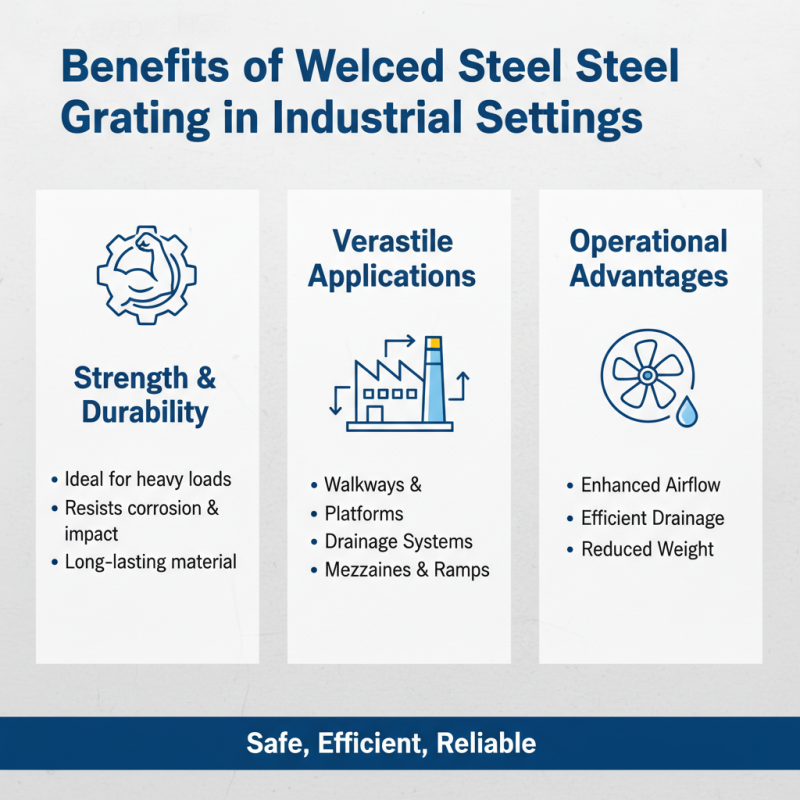
Benefits of Using Welded Steel Grating in Industrial Settings
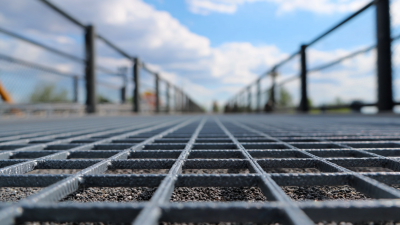
Welded steel grating is gaining traction in industrial settings. Its strength and durability make it ideal for various applications. Steel grating provides essential support in walkways, platforms, and drainage systems. Its open design reduces weight while offering excellent load-bearing capacity. This feature enhances airflow and allows for easy drainage, crucial in industrial environments.
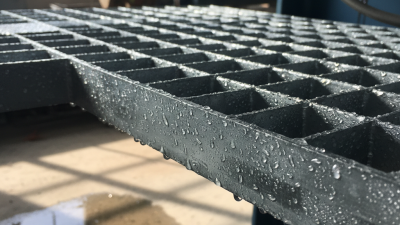
When considering welded steel grating, think about corrosion resistance. In many industries, the environment can be harsh. Using grating with proper coatings or finishes will extend its lifetime significantly. Recognizing potential flaws in the grating’s installation can help avoid costly repairs later.
Here’s a tip: always inspect the steel grating before use. Look for signs of wear or damage. Regular maintenance can prevent accidents and improve safety. Additionally, evaluate load requirements carefully. Misestimating can lead to inadequate support.
Choosing the right welded steel grating can improve efficiency. However, reflecting on the needs of your specific application is essential. It can prevent future issues and ensure optimal performance.