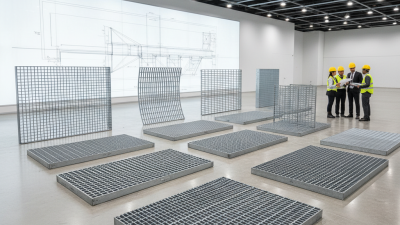
Top Steel Driveway Grating Options for Global Buyers?
When it comes to enhancing the safety and appeal of driveways, the choice of materials is crucial. Steel Driveway Grating is one of the top options for buyers worldwide. Industry expert John Anderson states, "Selecting the right grating involves balancing durability with aesthetic value." This highlights the importance of making informed decisions.
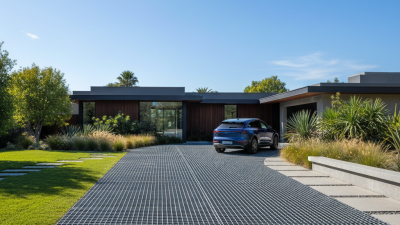
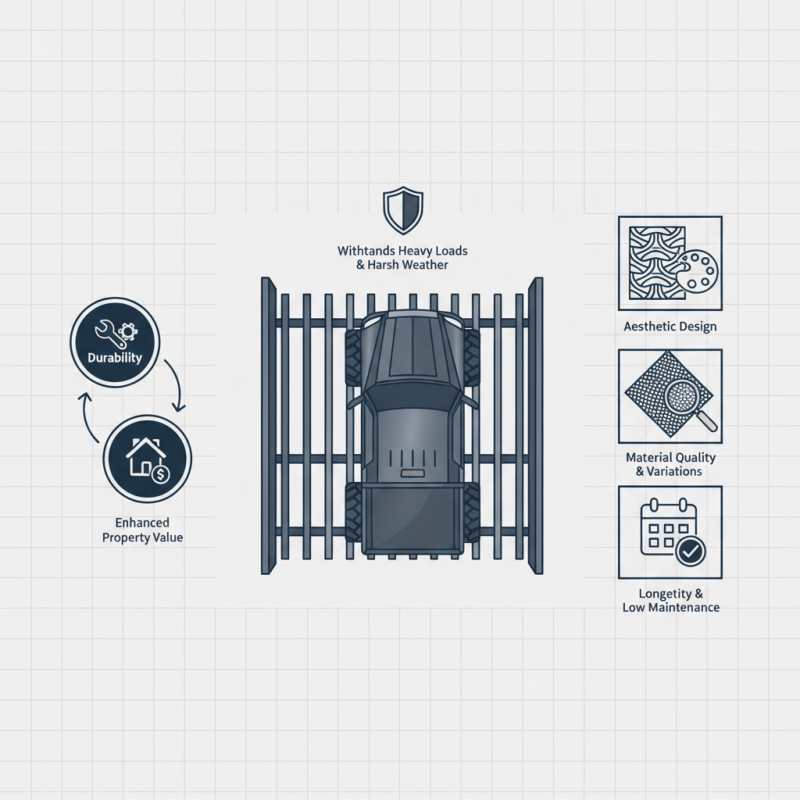
Steel Driveway Grating offers strength and resilience. It withstands heavy loads and harsh weather, making it a reliable choice. However, some buyers may overlook the design aspect in favor of function. Aesthetic considerations can enhance property value, creating a blend of beauty and practicality.
In this diverse global market, buyers have numerous steel grating options. Understanding the variations in design and material quality is essential. While focusing on price is tempting, it’s crucial to evaluate longevity and maintenance needs. Ultimately, buyers must reflect on how their choices impact both safety and visual appeal.
Understanding the Importance of Steel Driveway Grating for Buyers
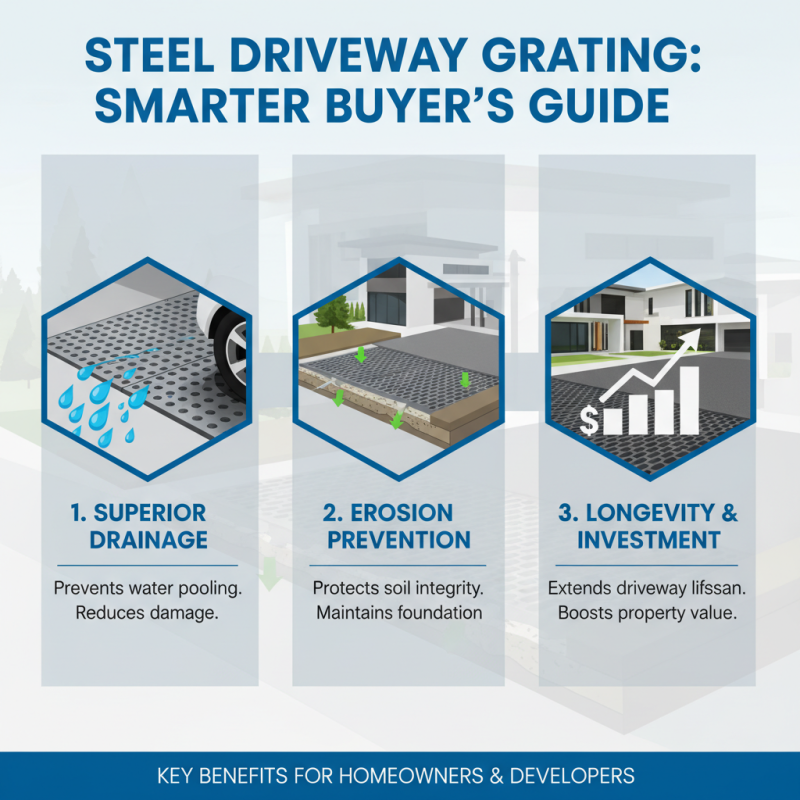
Steel driveway grating plays a crucial role for anyone considering a driveway solution. It provides essential drainage, reducing water pooling that can cause damage. Proper drainage helps prevent soil erosion around the driveway. Buyers need to understand how this affects the longevity of their investment.
Choosing the right grating is complex. Options vary in design, load capacity, and material quality. Some designs may form rust over time, lowering their effectiveness. It’s vital to select the grating suitable for local climate conditions. This knowledge helps buyers make informed decisions that align with their specific needs.
Cost can vary widely based on the grating type. Many affordable options may compromise quality. This trade-off often demands careful consideration. Buyers must evaluate their priorities: durability, aesthetics, or cost. It’s a balancing act that requires thorough planning. Reflecting on these factors ensures a wise choice and enhances long-term satisfaction.
Types of Steel Driveway Grating: A Comprehensive Overview
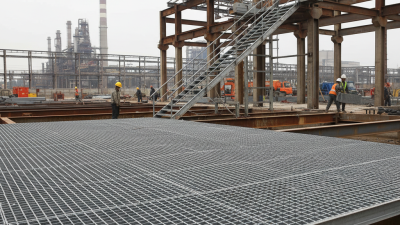
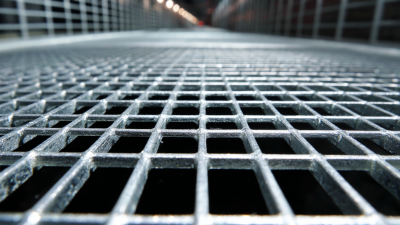
When considering steel driveway grating, several types stand out. Each type offers unique benefits tailored to different needs. For instance, open steel grating, often used in industrial settings, provides excellent drainage and visibility. It can support heavy loads while allowing water to flow through, reducing the risk of flooding.
Expanded metal grating is another option, known for its strength and slip resistance. This type is ideal for residential use, where safety is paramount. Its design often enhances aesthetic appeal, making it suitable for various driveway styles. According to industry reports, the steel grating market is projected to grow by 5% annually, indicating a rising demand for these products.
When selecting grating, consider the installation environment. For wet areas, choose types that provide better drainage. For high-traffic zones, opt for grating with higher load capacity. Additionally, regular maintenance can prolong the lifespan of your driveway grating, ensuring it remains functional and visually appealing.
Using proper installation methods is crucial. Poor installation can lead to safety hazards or premature wear. It's essential to consult with professionals when making your choice. Conducting thorough research helps in selecting the most suitable grating for your specific requirements.
Key Factors to Consider When Choosing Steel Grating
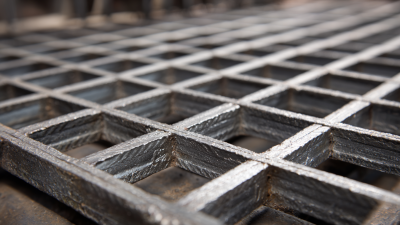
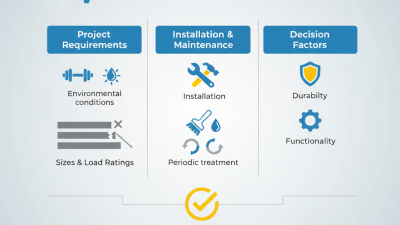
When selecting steel grating for driveways, several key factors come into play. One important consideration is load-bearing capacity. According to industry reports, steel grating can support various weights, making it crucial to match the grating type with the anticipated load. For residential driveways, a standard grating of A36 steel alloy with a thickness of at least 1 inch typically suffices for supporting vehicles.
Durability is another essential factor. High-quality steel grating resists corrosion and rust, which prolongs its life. A study highlighted that galvanized steel options can last up to 50% longer than untreated versions in harsh weather conditions. This longevity is vital for buyers who prefer low maintenance and cost-effectiveness.
Additionally, ease of installation cannot be overlooked. Some products feature pre-drilled holes for a quick setup, while others require custom fitting. A mismatch in installation may lead to safety hazards. These are aspects that often people overlook. Choosing the right steel grating should involve a careful examination of these factors, ensuring reliability in the long term. It is important to consult with industry professionals to navigate these choices effectively.
Top Global Suppliers of Steel Driveway Grating
When exploring steel driveway grating, it's essential to know the top global suppliers. These companies play a significant role in providing durable and reliable products for various markets. Steel driveway grating is crucial for ensuring safety and maintaining aesthetics in residential and commercial properties.
Leading suppliers generally focus on quality materials. A mix of different types of steel can enhance the durability of the grating. Ensure you’re getting products that meet industry standards. Reviews from other buyers can be insightful. They often highlight quality issues or exceptional performance, guiding your purchasing decision.
Tips: Before making a purchase, consider the specific needs of your project. Reflect on load capacity and spacing requirements. Don't overlook the importance of looking for suppliers that provide detailed product specifications. Transparency is a key marker of a reputable supplier.
Moreover, comparing prices isn’t enough. Sometimes, lower costs come at the expense of quality. Ask for samples if possible. This small step can help you evaluate the product’s sturdiness before committing. Always question standard practices; innovation may offer better solutions on the market today.
Comparative Analysis of Steel Driveway Grating Materials and Designs
When considering steel driveway grating, material choice significantly impacts durability and functionality. Carbon steel is a popular option, valued for its strength and affordability. It can endure heavy loads, making it ideal for residential and commercial use. However, it might corrode without proper maintenance, which raises concerns for long-term users.
Stainless steel grating offers superior resistance to rust and corrosion. This makes it suitable for wet environments or coastal areas. Its longevity reduces the frequency of replacements. On the downside, stainless steel can be more expensive, which may deter budget-conscious buyers. Weighing cost against durability is essential.
Design variations also play a crucial role. Slotted grating allows water to drain effectively, reducing puddles. In contrast, solid grating provides a smooth surface. Yet, this design may trap water, causing potential safety issues. Understanding these factors is vital for making informed decisions in steel driveway grating selection.
Top Steel Driveway Grating Options for Global Buyers
| Material Type |
Design Style |
Load Capacity (kN) |
Corrosion Resistance |
Typical Applications |
Price Range (per square meter) |
| Mild Steel |
Flat Bar Grating |
5.0 |
Low |
Driveways, Municipal Roads |
$50 - $75 |
| Stainless Steel |
Heavy Duty Grating |
12.0 |
High |
Industrial Sites, Premium Driveways |
$90 - $130 |
| Galvanized Steel |
Expanded Metal Grating |
8.0 |
Medium |
Commercial Driveways, Parking Lots |
$60 - $100 |
| Aluminum |
Slot Grating |
6.0 |
Very High |
Lightweight Applications, Decorative Driveways |
$80 - $120 |
| Composite Grating |
Fiberglass Grating |
10.5 |
Excellent |
Corrosive Environments, High Traffic Areas |
$70 - $110 |