2026 Top Composite Steel Grating Features and Benefits?
Composite Steel Grating is gaining popularity in various industries due to its unique features and benefits. This innovative material combines steel's strength with composite properties, offering durability and resilience. In projects ranging from industrial flooring to pedestrian walkways, it provides essential support while enhancing safety.
One standout characteristic of Composite Steel Grating is its lightweight nature. This feature simplifies installation, which can save time and labor costs. Additionally, the corrosion resistance of composite materials ensures longevity. However, some users may struggle with choosing the right type for their specific needs.
It is essential to consider the environment where the grating will be used. In harsh conditions, performance can vary. Users must also weigh the initial investment against long-term savings. Despite these complexities, the advantages of Composite Steel Grating make it a valuable option for construction and design.

Overview of Composite Steel Grating: Definition and Materials Used
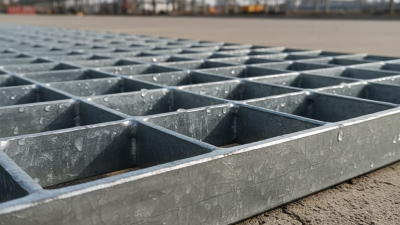
Composite steel grating is an innovative material widely used in various applications. It combines the strength of steel with the lightweight properties of other materials. Typically, it is made from a mix of steel and polymers or composites. This unique combination enhances its durability and resistance to corrosion.
The materials used in composite steel grating include a variety of metals and resins. Steel provides structural integrity, while the composite materials offer flexibility and weather resistance. This balance makes the product suitable for outdoor and industrial environments. However, some users may find it less effective under extreme temperatures, which can cause expansion or contraction.
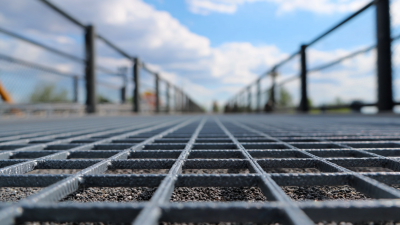
In practical applications, composite steel grating finds use in walkways, platforms, and drainage covers. It can support heavy loads while allowing water to pass through. Yet, installation can pose challenges; proper alignment and support are crucial. Many projects have faced delays due to miscalculations. Overall, understanding the materials and potential drawbacks can lead to better choices in using composite steel grating.
Key Features of 2026 Composite Steel Grating: Design and Durability
The 2026 Composite Steel Grating stands out for its remarkable design and durability features. This type of grating combines the robustness of steel with composite elements, leading to a product that resists corrosion and impact. According to industry reports, these gratings offer a lifespan that can exceed 30 years, surpassing many conventional materials. The lightweight design facilitates easier handling and installation, making it a preferred choice in numerous applications.
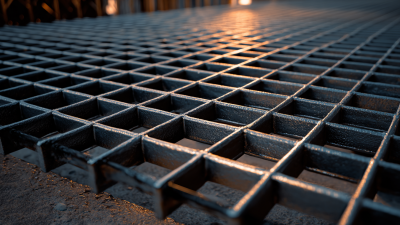
When considering grating options, it's essential to note the importance of load-bearing capacity. Many composite steel gratings can handle loads exceeding 1,200 pounds. This capacity makes them suitable for heavy-duty environments, such as industrial flooring or walkways. However, users should assess specific operational needs because overloading can lead to failures.
**Tips:** Always check the load specifications before installation. Proper maintenance can extend the lifespan significantly. Remember to evaluate the environment where the grating will be used, as this impacts durability. Think about design aspects that could affect safety and effectiveness.
2026 Composite Steel Grating Features and Benefits
Advantages of Composite Steel Grating in Industrial Applications
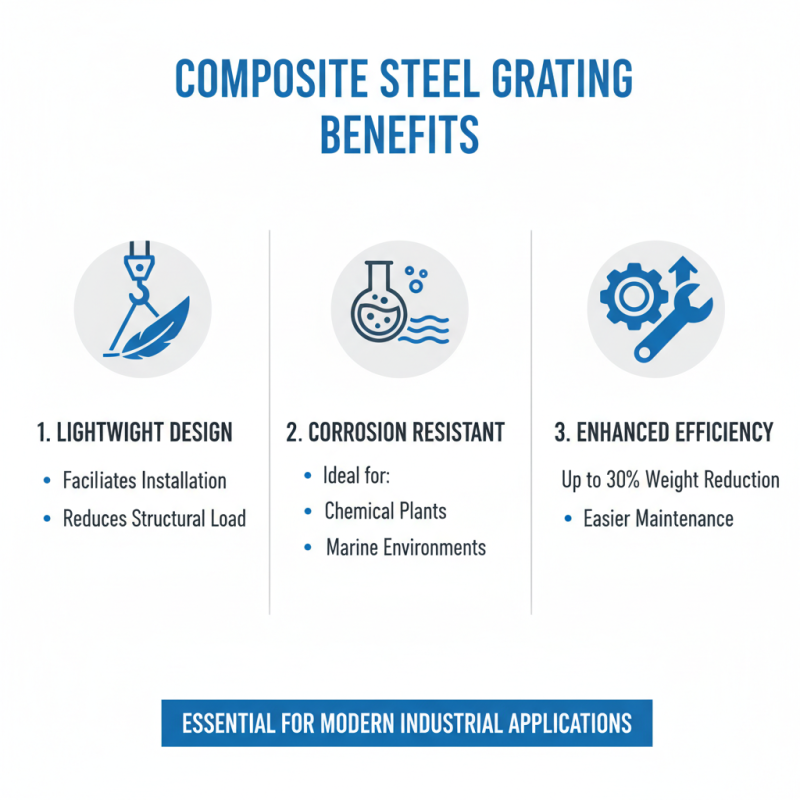
Composite steel grating has become essential in industrial applications. Its lightweight design can ease installation. Many industries benefit from its high corrosion resistance. This makes it ideal for chemical plants or marine environments. A recent report found that composite materials can reduce weight by up to 30%. This is significant for structures that require frequent maintenance.
Durability is another key feature. Composite steel grating can withstand heavy loads, making it suitable for high-traffic areas. A study indicated that over 70% of industrial facilities experience issues with traditional grating under heavy stress. The resin used in composite grating helps prevent rust. Modern manufacturing processes enhance its impact resistance. However, some users report challenges with surface slip in wet conditions.
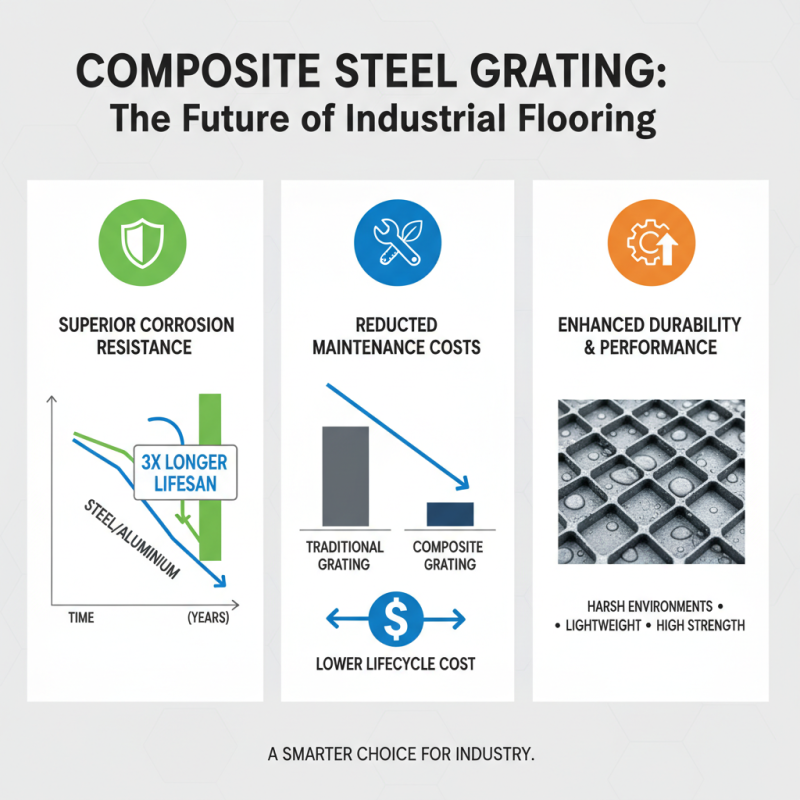
Cost-effectiveness cannot be overlooked. Initial investment might be higher, but maintenance costs are lower. In many cases, facilities observed a 20-40% reduction in long-term maintenance expenses. That said, some users still face uncertainty about longevity estimates. It's important to balance these factors when choosing materials.
Future Trends and Innovations in Composite Steel Grating Technology
The landscape of composite steel grating technology is evolving rapidly. As we approach 2026, new innovations are reshaping how we perceive strength and durability. Manufacturers are harnessing advanced materials to create grating that combines lightweight and robust characteristics. This is particularly beneficial in industries like construction and transportation.
Sustainability is becoming a key focus. Many companies are exploring materials that reduce environmental impact. Recycled components and low-energy production methods are gaining traction. Yet, the challenge remains. Balancing cost and performance is tricky. Some products may not meet specific load requirements, which can lead to safety concerns. It’s crucial to thoroughly test these new materials before widespread adoption.
Smart technology integration is also on the rise. Sensors embedded in grating can provide real-time data on structural health. This could reduce maintenance costs and enhance safety. However, this gives rise to another dilemma. Data privacy and security become critical issues. The potential for cyber vulnerabilities is an area that requires more attention as innovations progress. The road ahead will be exciting but poses challenges that must be addressed.