Black Plain Grating 10 Essential Tips for Your Projects?
In the world of construction and design, "Black Plain Grating" plays a vital role. This material is often overlooked but is essential for various projects. Expert Samantha Miller, a senior architect, once stated, "Choosing the right grating can make or break your project." This emphasizes the importance of thoughtful selection.
When working with Black Plain Grating, there are key factors to consider. The texture and load-bearing capacity can greatly influence performance. Many professionals often underestimate these aspects. Failing to assess them can lead to costly mistakes. It's not just about aesthetics; functionality is paramount.
Moreover, collaboration with suppliers can enhance project outcomes. Open communication can reveal practical insights. However, relying solely on standard options may hinder innovation. Embracing unique designs can set a project apart. As you explore Black Plain Grating, reflect on the balancing act between form and function.
Understanding Black Plain Grating: What You Need to Know
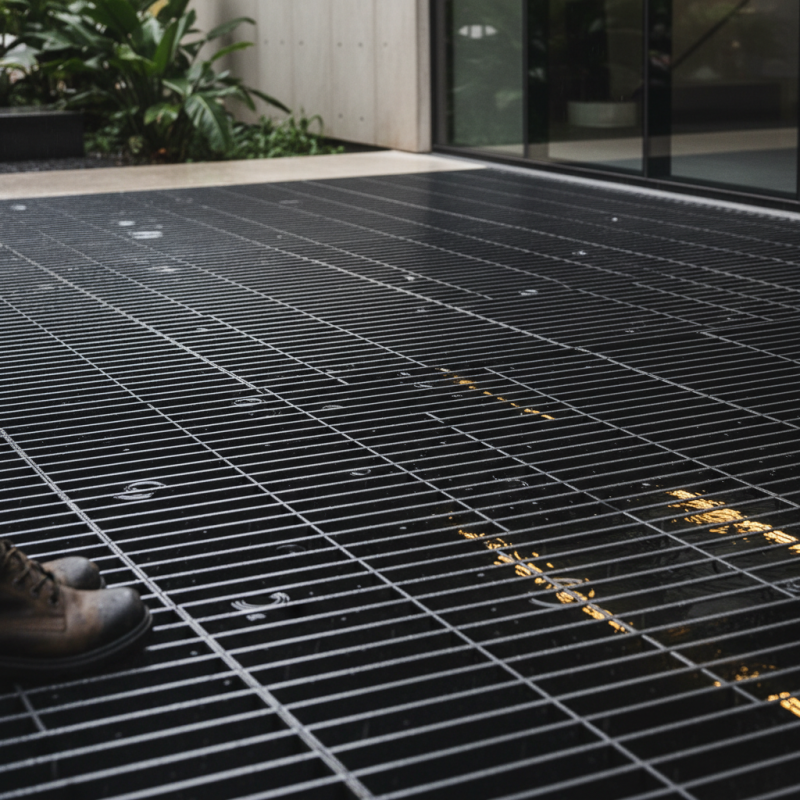
Black plain grating is a versatile material widely used in construction and industrial projects. It provides numerous benefits, including strength, durability, and resistance to various environmental factors. According to a recent industry report, the use of black plain grating has increased by 15% over recent years due to its cost-effectiveness. Many projects benefit from its weight-saving properties while maintaining structural integrity, which is vital in the competitive construction field.
When working with black plain grating, it's essential to consider certain tips for optimal results. For instance, ensure that cutting edges are smooth to avoid injuries during installation. This small detail can save you from safety hazards later on. Another tip involves proper spacing. Adequate spacing between supports prevents undue stress on the grating, enhancing longevity.
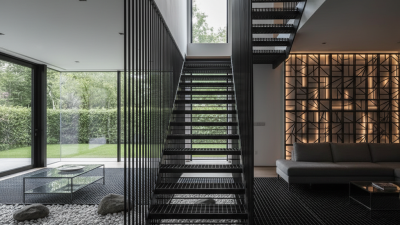
The aesthetic aspect should also not be overlooked. While black plain grating offers a sleek finish, blending it with surrounding materials can create a more harmonious design. Sometimes, imperfections in cutting can lead to unplanned gaps. Addressing these issues early on can avoid bigger problems down the line. Taking the time to plan your design and execution will save you headaches in the project’s latter stages.
Key Benefits of Using Black Plain Grating in Construction Projects
Black plain grating has become a popular choice in construction projects due to its numerous benefits. One key advantage is its lightweight nature. This facilitates easier handling and installation. Data shows that lightweight materials can reduce labor costs by up to 20%. Additionally, when paired with the right structural support, black plain grating can provide excellent load-bearing capacity.
Another vital benefit is its corrosion resistance. The black coating protects against rust, extending the lifespan of the material. Projects located in harsh environments particularly benefit from this feature. A recent study indicated that using corrosion-resistant materials can improve the structure's durability by 50%.
When incorporating black plain grating into your projects, consider these essential tips: ensure proper spacing between grating panels to maintain strength, and match your grating choice with the intended load-bearing requirements. It’s also crucial to evaluate the installation process, as poor installation can lead to problems later.
Lastly, reflect on the aesthetic impact. The sleek, modern look of black grating can enhance a project’s visual appeal. However, not all settings suit this choice. Evaluating your specific project needs can lead to better decision-making.
Selecting the Right Size and Thickness for Your Black Plain Grating
Selecting the right size and thickness for your black plain grating is crucial for any project. It can greatly affect both the functionality and aesthetic of your installation. When choosing the size, consider the space you have. Measure twice to avoid mistakes. A common mistake is assuming that one size fits all. Sometimes, you might need a custom size.
Thickness is equally important. Thicker grating can support more weight, but it may also require more effort to install. Think about the load it will bear. Lighter grating could save costs, but it might not be durable. You don’t want to replace it soon after installation. Balance is key.
Also, consider the environment. If the grating will be exposed to harsh weather, thickness and size matter even more. Weigh your options carefully. Each project has unique requirements. Mistakes happen, but learning from them can lead to better choices in the future. Always keep testing your assumptions about size and thickness.
Maintenance Tips for Longevity of Black Plain Grating
Black plain grating offers versatility for various projects.
However, it’s crucial to focus on its maintenance to ensure longevity.
Regular cleaning is essential. Dust and debris can accumulate, leading to corrosion over time.
A study from the National Institute of Standards shows that regular cleaning can extend the product's life by up to 30%.
Inspecting the grating periodically is also important.
Look for signs of wear or damage.
The Occupational Safety and Health Administration emphasizes that structural integrity should not be overlooked.
If you notice cracks or loose sections, address these issues promptly.
Delaying repairs can lead to more significant problems down the line.
Moisture can be detrimental to black plain grating.
Storing in a dry environment is ideal.
If kept outside, consider applying protective coatings.
This simple step can reduce maintenance efforts considerably.
Yet, many overlook this crucial detail, often leading to costly replacements.
Proper maintenance practices can make all the difference in the lifespan of black plain grating.
Common Applications and Uses of Black Plain Grating in Various Industries
Black plain grating is widely used across various industries due to its versatility. From construction to manufacturing, it's an essential component for many projects. Its durability makes it ideal for heavy loads, while its slip-resistant surface is crucial in wet environments.
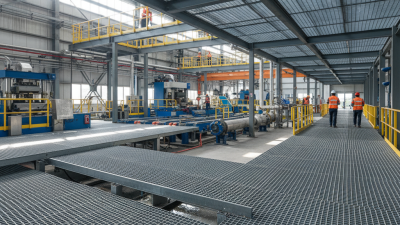
In the construction industry, black plain grating provides safety and support. It is commonly used for flooring, walkways, and platforms. Adequate spacing between the bars improves drainage, preventing pooling of water. Keep in mind, however, that neglecting regular maintenance can lead to corrosion over time.
In the manufacturing sector, black plain grating is often found in machinery and equipment. It allows for proper ventilation and ease of access. However, the selection of the correct grating thickness is vital. Using inadequate thickness might result in failure during operation.
Tip: When designing your project, consider the grating load capacity and environmental conditions. This insight can help you make choices that enhance safety and efficiency. Each application may require a unique approach, and sometimes the simplest option may not be the best. Reflect on your project’s specific needs and the potential drawbacks of your selection.