Best Hdg Grating Solutions for Global Buyers in 2026?
The demand for Hdg Grating solutions continues to grow in 2026. This trend is driven by the increasing applications across various industries, including construction and petrochemicals. According to the Global Grating Market Report, the industry is expected to reach $2.5 billion by 2026, reflecting a compound annual growth rate of 5.3%.
Expert in the field, Dr. Emily Chen, highlights the versatility of Hdg Grating, stating, “Its adaptability makes it a go-to choice for many industrial applications.” This adaptability is a crucial factor for global buyers seeking reliable and durable materials. However, challenges remain. Issues such as variations in quality and compliance with local regulations can complicate purchasing decisions.
As the market evolves, buyers must navigate these complexities. With numerous suppliers available, differentiating between high-quality products and subpar alternatives can be daunting. Companies must stay informed and employ rigorous quality assessments. By doing so, they can ensure they invest in solutions that meet their specific needs and standards.
Global HDG Grating Market Overview and Current Trends in 2026
The global HDG grating market is evolving rapidly in 2026. Innovations in materials are driving the demand for high-quality solutions. As industries prioritize safety and efficiency, selecting the right grating becomes crucial. Many buyers are now considering sustainable options. These choices not only meet regulatory standards but also support eco-friendly practices.
Tips: When researching, focus on manufacturers who emphasize sustainability. Their commitment to the environment often reflects their product quality.
Market trends indicate a shift toward customizable grating solutions. Buyers are looking for products that cater to specific applications. This demand for customization can result in delays and heightened costs. Ensuring clear communication with suppliers is essential in avoiding misunderstandings.
Tips: Specify your needs clearly to your supplier. This can save time and money in the long run. Miscommunication can lead to receiving unsuitable products.
As we move further into 2026, it's evident that the HDG grating market prioritizes efficiency and reliability. Awareness of emerging trends will help buyers make informed decisions. The landscape may not be perfect, but understanding its dynamics is key.
Best HDG Grating Solutions for Global Buyers in 2026
Key Factors Driving Demand for HDG Grating Solutions Worldwide
The global demand for hot-dip galvanized (HDG) grating solutions is on the rise. Analysts predict a growth rate exceeding 5% annually through 2026. This trend is driven by several key factors, which are essential for buyers to understand.
One significant driver is the increasing infrastructure development worldwide. The construction industry is expanding rapidly, especially in emerging markets. For instance, Asia-Pacific is expected to dominate the HDG grating market, accounting for over 40% of total consumption by 2026. This expansion brings a heightened need for durable and corrosion-resistant materials, often met by HDG grating solutions.
Sustainability concerns are also shaping demand. As industries strive to meet green building standards, they increasingly turn to sustainable materials. HDG grating, with its long lifespan and recyclability, aligns well with these goals. However, the industry faces challenges. Production costs can fluctuate due to raw material prices, which may impact pricing strategies. Buyers must keep an eye on these trends, ensure reliable supply chains, and seek out innovations that enhance product performance.
Best Hdg Grating Solutions for Global Buyers in 2026? - Key Factors Driving Demand for HDG Grating Solutions Worldwide
| Region |
Market Size (Billion USD) |
Growth Rate (%) |
Key Applications |
Major Drivers |
| North America |
2.5 |
5.2 |
Industrial Flooring, Construction |
Infrastructure Development, Oil & Gas Expansion |
| Europe |
3.1 |
4.8 |
Transportation, Renewable Energy |
Regulatory Standards, Green Building Initiatives |
| Asia-Pacific |
4.2 |
6.5 |
Manufacturing, Power Generation |
Urbanization, Industrial Growth |
| Latin America |
1.6 |
4.0 |
Mining, Construction |
Natural Resource Demand, Infrastructure Projects |
| Middle East & Africa |
1.0 |
3.5 |
Oil & Gas, Construction |
Energy Sector Growth, Investment in Infrastructure |
Top HDG Grating Materials and Their Performance Characteristics
The global market for hot-dip galvanized (HDG) grating is on the rise, driven by various industries seeking durable and cost-effective solutions. Key materials in HDG grating include carbon steel and stainless steel. Carbon steel, known for its strength, can withstand heavy loads. However, it faces challenges, such as susceptibility to corrosion over time. Industry reports indicate that around 30% of carbon steel gratings require maintenance within five years due to environmental factors.
Stainless steel grating offers enhanced corrosion resistance and longevity. Its durability makes it ideal for harsh environments. Data shows that stainless steel gratings can last up to 25 years with minimal upkeep. Despite its advantages, the higher initial costs can deter buyers. Many companies hesitate to invest in stainless steel due to budget constraints.
Moreover, hybrid solutions are emerging. These combine different materials to mitigate the weaknesses of each. For instance, applying a protective coating to carbon steel can enhance its lifespan. These innovations provide potential buyers with more choices in selecting the optimal grating solution. However, more industry awareness is needed for effective material selection. Understanding material characteristics remains critical for long-term satisfaction and efficiency.
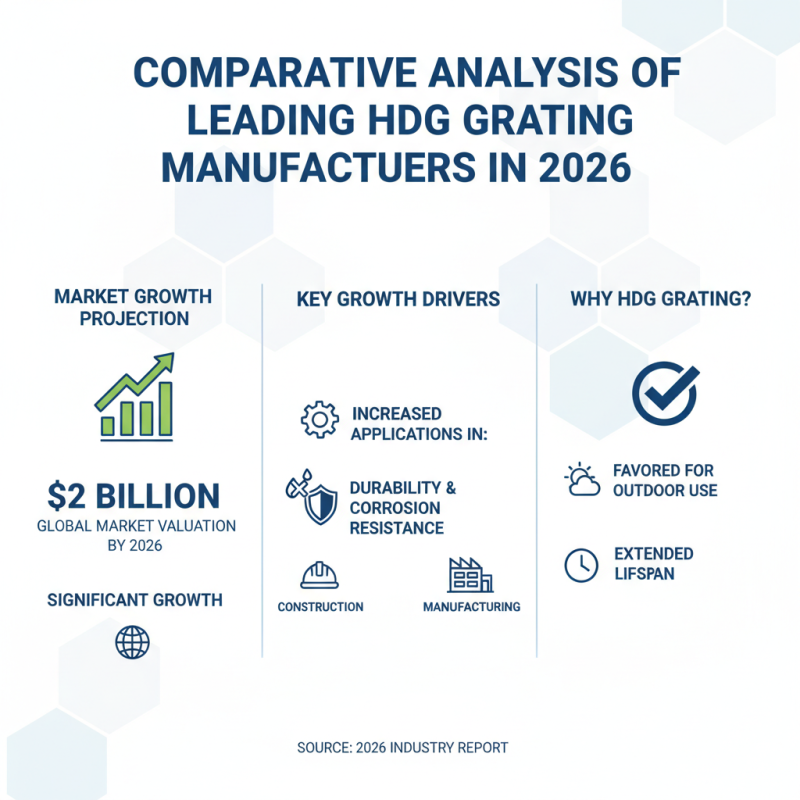
Comparative Analysis of Leading HDG Grating Manufacturers in 2026
The global demand for hot-dip galvanized (HDG) grating solutions is projected to grow significantly by 2026. A recent industry report indicates that the market is expected to reach a valuation of $2 billion. This growth is driven by the increased applications of HDG grating in various sectors, including construction and manufacturing. Key factors include its durability and resistance to corrosion, making it a favored choice for outdoor applications.
A comparative analysis of leading HDG grating manufacturers reveals varying strengths. Some excel in production efficiency, while others prioritize high-quality materials. According to research, manufacturers with robust R&D departments tend to outperform others in innovation. However, one must reflect on supply chain challenges that continue to affect product availability. Sourcing quality raw materials remains a concern for many companies, potentially impacting production timelines.
**Tips:** When selecting an HDG grating supplier, consider their track record in quality control. Look for manufacturers with certifications that reflect their commitment to industry standards. It's crucial to analyze reviews from past clients to gauge reliability. Engaging with suppliers who have transparent processes often leads to better outcomes.
Future Innovations and Technologies in HDG Grating Solutions
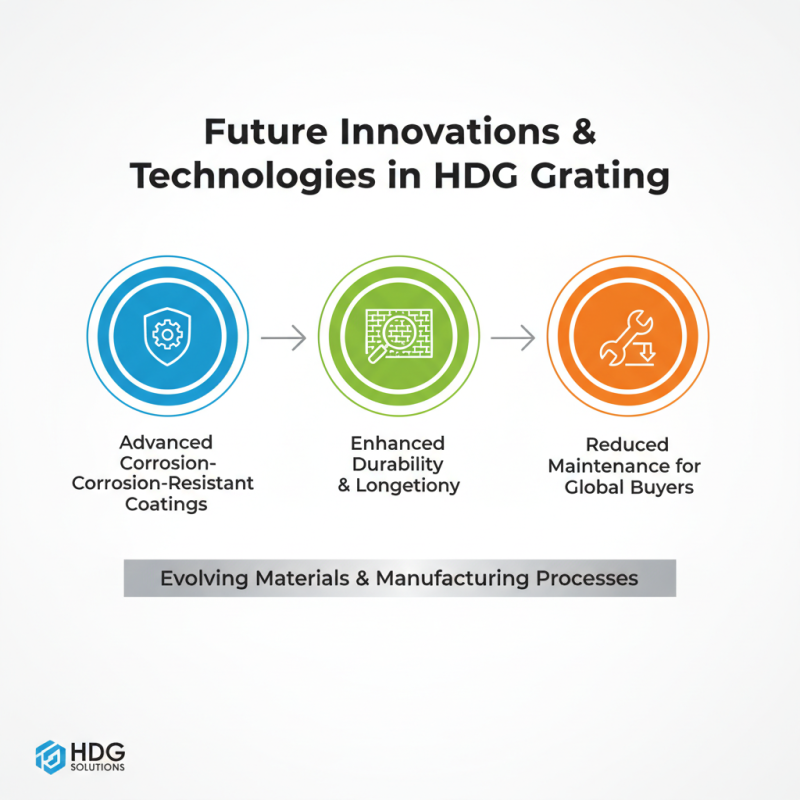
The landscape of HDG (Hot-Dip Galvanized) grating solutions is evolving rapidly. Innovations in materials and manufacturing processes are reshaping the industry. For instance, advancements in corrosion-resistant coatings are making HDG grating even more durable. These coatings not only enhance longevity but also reduce maintenance needs for buyers worldwide.
Emerging technologies, like laser cutting and automated fabrication, are streamlining production. This allows for greater customization of products to meet specific needs. However, these innovations come with challenges. The cost of implementing advanced technologies can be significant. Buyers must weigh the benefits against their budget constraints.
As sustainability becomes a priority, companies are exploring eco-friendly materials. Transitioning to greener options can be complex. It requires collaboration across the supply chain. Industry experts emphasize the need for ongoing research to find effective solutions. Buyers should stay informed about these trends to make educated purchasing decisions.