2026 Best Heavy Duty Steel Floor Grating Options for Durability and Safety?
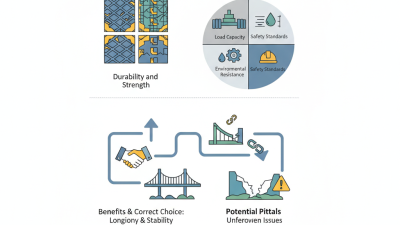
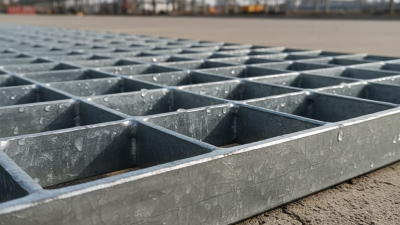
When it comes to construction and industrial flooring, durability and safety are paramount. Heavy Duty Steel Floor Grating stands out as an ideal choice for various applications. This robust flooring option is engineered to withstand heavy loads and harsh conditions, ensuring longevity. However, not all grating is created equal.
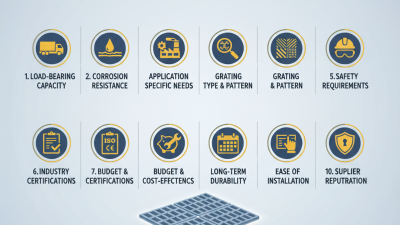
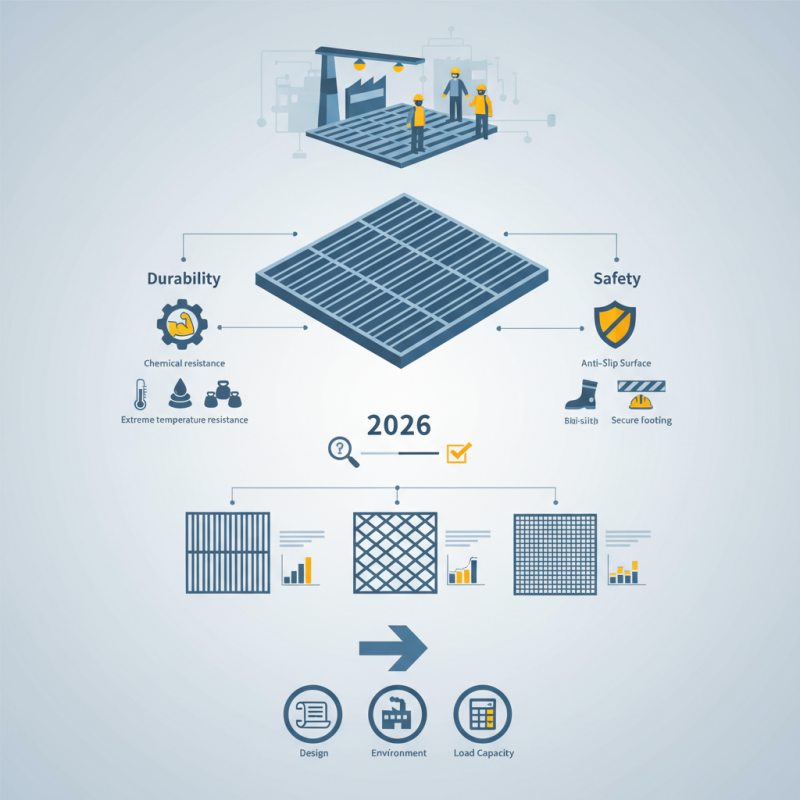
Selecting the right heavy duty steel floor grating involves considering factors such as load capacity, design, and environment. For instance, some projects may require grating that is resistant to chemicals or extreme temperatures. The right choice ensures safety and efficiency.
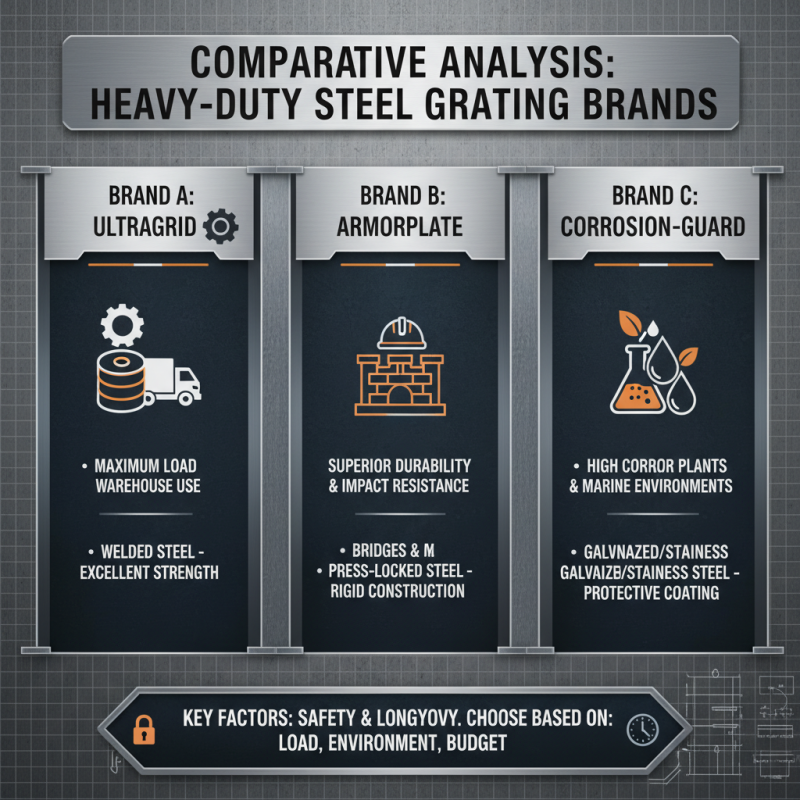
In 2026, the market offers a range of options tailored to meet diverse needs. While some products promise exceptional strength, do they deliver? It is crucial to research and select reliable brands that prioritize quality. The journey to finding the best heavy duty steel floor grating can be complex, but the right choice makes all the difference.
Overview of Heavy Duty Steel Floor Grating Types
Heavy duty steel floor grating comes in various types, each suited for unique applications. The most common types are welded, bolted, and molded grating. Welded grating is durable and ideal for heavy load areas. Bolted grating allows for easier installation and maintenance. Molded options are often used in corrosive environments. Understanding these options helps you choose what fits your needs best.
Tips for selecting the right grating include evaluating the weight loads and environmental conditions. Consider the placement; grating located in high-traffic areas needs to be robust. Also, ensure slip resistance is adequate. This is crucial for safety, especially in industrial settings.
Always assess your long-term needs. Sometimes, a more durable option may seem expensive upfront but can save costs in the long run. Have a plan for replacement or repair, as even the best grating will require maintenance over time. Remember, a little planning now can help avoid issues later.
2026 Best Heavy Duty Steel Floor Grating Options for Durability and Safety
| Grating Type |
Load Capacity (lbs) |
Material Thickness (inches) |
Applications |
Safety Features |
| welded steel grating |
2500 |
0.25 |
Industrial flooring |
Slip-resistant surface |
| heavy duty serrated grating |
3000 |
0.5 |
Walkways, ramps |
Serrated edges |
| Expanded metal grating |
2000 |
0.1875 |
Platforms, catwalks |
Open design for debris removal |
| Bar grating |
4000 |
0.375 |
Heavy machinery areas |
Different spacing options |
| Tread plate grating |
3500 |
0.25 |
Stair treads, walkways |
Diamond tread pattern |
Key Features to Consider for Durability in Steel Grating
When selecting heavy-duty steel floor grating, durability is paramount. Industry data shows that steel grating should meet specific load requirements. For instance, a report from the American Association of Steel Producers indicates that a standard grating can support loads between 1,000 to 2,500 pounds per square foot, depending on its design. The material's quality impacts its lifespan and resistance to various climatic conditions. Corrosion-resistant coatings or treatments are essential for ensuring longevity in outdoor settings.
Another essential feature is the grating pattern. Openings in the grate should be engineered for safety and stability. Typically, a spacing of 1 to 1.5 inches reduces slip hazards while allowing for drainage. Unfortunately, some designs compromise safety for appearance. Modifications that enhance aesthetic appeal might not be suitable for industrial applications.
The thickness of the steel grating also plays a crucial role in its durability. Thicker options tend to withstand high-impact loads better. Yet, they could be heavier, making installation more challenging. Reflecting on these trade-offs is vital for making informed decisions. Prioritizing functionality will ensure that the flooring meets both safety and performance standards, while also adapting to the specific needs of the environment.
2026 Best Heavy Duty Steel Floor Grating Options for Durability and Safety
This chart represents the key features to consider for durability in heavy-duty steel floor grating options, including load capacity, corrosion resistance, weight, cost, and maintenance frequency.
Safety Standards and Compliance for Heavy Duty Grating
When selecting heavy-duty steel floor grating, safety standards and compliance are crucial. Compliance ensures that the grating can withstand heavy loads and resist environmental factors. Many industries rely on these gratings for walkways, platforms, and industrial applications. Proper load ratings must be considered. Manufacturers often follow guidelines from organizations like the American National Standards Institute (ANSI) and the Occupational Safety and Health Administration (OSHA).
The materials used can significantly impact safety. Steel gratings should be galvanized or coated to prevent corrosion. Inadequate protection may lead to premature deterioration. It’s essential to assess the specific environment where the grating will be installed. Factors like exposure to chemicals or heavy machinery can challenge durability.
Standards also address slip resistance. Surfaces must minimize the risk of slips and falls. During installation, proper spacing and alignment are vital. Misalignment can create hazards. Regular inspections can reveal wear and ensure compliance with safety regulations. Opting for reliable sources and understanding local regulations guarantees peace of mind in workplace safety.
Maintenance Tips for Prolonging the Life of Steel Floor Grating
Steel floor grating is known for its durability. However, maintaining it is crucial for enhancing its lifespan. Regular inspections can reveal issues early. Look for signs of rust, corrosion, or excessive wear. Immediate action can prevent larger problems.
Cleaning steel grating regularly is essential. A simple wash with soap and water helps remove debris. This keeps the surface safe and slip-resistant. Using a pressure washer can be effective too. Blast away dirt and grime, but don’t damage the material.
Ensure proper drainage around the grating. Standing water can lead to rust. It’s wise to address any drainage issues promptly. Also, consider applying a protective coating. This adds an extra layer against the elements. Investing in maintenance pays off in safety and durability.